Exploring Vitamin C-Rich Fruits in Africa: Test Resources and Health Benefits
Category : cfruits | Sub Category : cfruits Posted on 2024-09-07 22:25:23
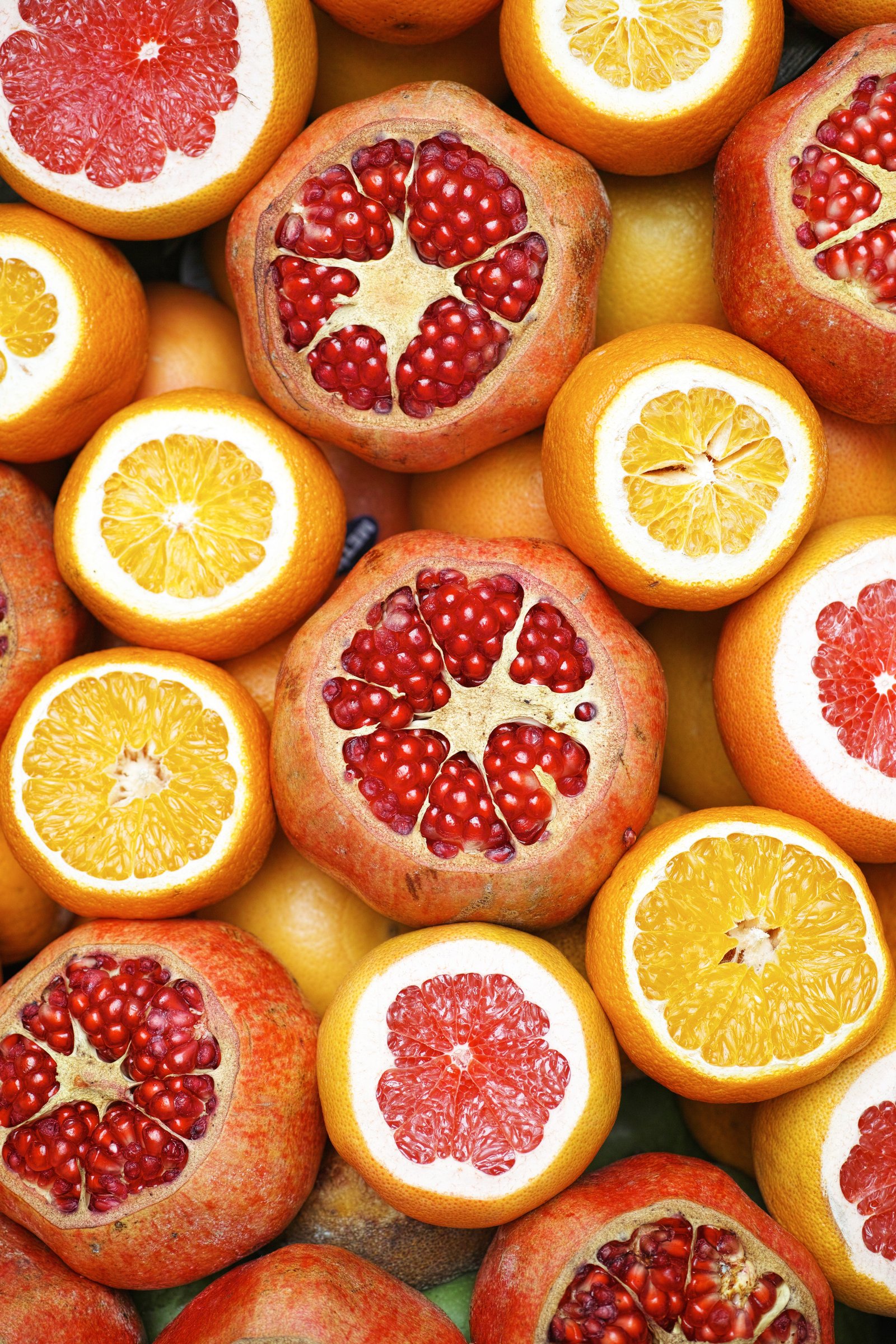
Introduction: Africa is a continent rich in biodiversity and natural resources, including a variety of delicious fruits that are packed with essential nutrients like vitamin C. In this blog post, we will delve into the significance of vitamin C, examine some of the vitamin C-rich fruits found in Africa, and explore the available resources for testing the vitamin C content in these fruits. The Importance of Vitamin C: Vitamin C, also known as ascorbic acid, is a water-soluble vitamin that plays a crucial role in several bodily functions. It acts as a powerful antioxidant, helping to protect cells from damage caused by free radicals. Vitamin C is also essential for the growth and repair of tissues, as well as the absorption of iron from plant-based foods. Additionally, this vitamin boosts the immune system and supports overall health and well-being. Vitamin C-Rich Fruits in Africa: Africa is home to a diverse range of fruits that are abundant in vitamin C. Some of the popular vitamin C-rich fruits found on the continent include: 1. Baobab: Known as the "tree of life," the baobab fruit is a superfood that is rich in vitamin C and other nutrients. It has a tangy flavor and can be consumed fresh or in powdered form. 2. Guava: Guava is a tropical fruit that is packed with vitamin C, fiber, and antioxidants. It can be eaten raw or used in juices, jams, and desserts. 3. Mango: Mangoes are not only delicious but also a good source of vitamin C. They are versatile fruits that can be enjoyed fresh or incorporated into salads, smoothies, and salsas. Testing Resources for Vitamin C Content: To determine the vitamin C content in fruits, various testing resources are available. One common method is the titration technique, where a sample of fruit juice is titrated with a solution of an oxidizing agent until the ascorbic acid is completely oxidized. The amount of oxidizing agent used in the titration is then used to calculate the vitamin C content in the fruit. Other testing resources include high-performance liquid chromatography (HPLC) and spectrophotometric methods, which provide accurate results regarding the vitamin C levels in fruits. These testing techniques are essential for ensuring the quality and nutritional value of vitamin C-rich fruits consumed in Africa and beyond. Conclusion: In conclusion, vitamin C is a vital nutrient that offers numerous health benefits, and Africa boasts a wealth of vitamin C-rich fruits that contribute to a well-balanced diet. By utilizing testing resources to measure the vitamin C content in these fruits, consumers can make informed choices about their nutritional intake and enjoy the flavorful and healthy offerings that the continent has to offer. Incorporating vitamin C-rich fruits into your diet is a delicious way to boost your immune system and support your overall well-being.
Leave a Comment:
SEARCH
Recent News
- Zurich, Switzerland is known for its multicultural atmosphere and diverse culinary scene. One of the lesser-known gems of Zurich's food scene is Sudanese cuisine. Sudanese cuisine is a reflection of the country's diverse cultural influences, blending Arabic, African, and Mediterranean flavors to create a unique and delicious culinary experience.
- Zurich, Switzerland: A Culinary Journey through Regional Cuisine
- Zurich, Switzerland is known for its stunning landscapes, rich history, and vibrant culture. However, another aspect of Zurich that shouldn't be overlooked is its diverse and delicious fast food scene. From traditional Swiss street food to international favorites, there is something to satisfy every craving in Zurich. Let's take a closer look at some of the popular fast food options you can find in this picturesque city.
- Zurich, Switzerland is known for its stunning natural beauty, vibrant arts scene, and strong economy. However, what many people may not know is that this dynamic city also offers a diverse culinary experience that includes delicacies from around the world. One such cuisine that has found a home in Zurich is Philippine cuisine.
- Zurich, Switzerland is known for its picturesque views, stunning architecture, and vibrant cultural scene. Located in the heart of Europe, Zurich offers a mix of traditional Swiss cuisine and international flavors. One particular cuisine that has been making waves in Zurich is Paraguayan cuisine.
- Zurich, Switzerland is a city known for its stunning views, picturesque streets, and vibrant culture. It is also a melting pot of diverse culinary influences, with a wide range of cuisines to choose from. One such cuisine that has made its mark in Zurich is Norwegian cuisine.
- Zurich, Switzerland, and Montreal, Canada, are two vibrant cities known for their distinct cultural characteristics. While Zurich is renowned for its picturesque landscapes, rich history, and high standard of living, Montreal is famous for its diverse population, vibrant arts scene, and mouth-watering cuisine. In this blog post, we will delve into the delectable culinary offerings of Montreal and explore how its unique food scene sets it apart from the culinary landscape of Zurich.
- Zurich, Switzerland is a vibrant city known for its stunning architecture, picturesque landscapes, and diverse culinary scene. While Swiss cuisine certainly holds a special place in the hearts of many locals and visitors, the city also boasts a variety of international dining options, including Latin American food.
READ MORE
9 months ago Category : cfruits

Zurich, Switzerland is known for its multicultural atmosphere and diverse culinary scene. One of the lesser-known gems of Zurich's food scene is Sudanese cuisine. Sudanese cuisine is a reflection of the country's diverse cultural influences, blending Arabic, African, and Mediterranean flavors to create a unique and delicious culinary experience.
Read More →9 months ago Category : cfruits

Zurich, Switzerland: A Culinary Journey through Regional Cuisine
Read More →9 months ago Category : cfruits

Zurich, Switzerland is known for its stunning landscapes, rich history, and vibrant culture. However, another aspect of Zurich that shouldn't be overlooked is its diverse and delicious fast food scene. From traditional Swiss street food to international favorites, there is something to satisfy every craving in Zurich. Let's take a closer look at some of the popular fast food options you can find in this picturesque city.
Read More →9 months ago Category : cfruits
