Exploring the Vibrant World of African Melons and Fruits
Category : cfruits | Sub Category : cfruits Posted on 2023-10-30 21:24:53
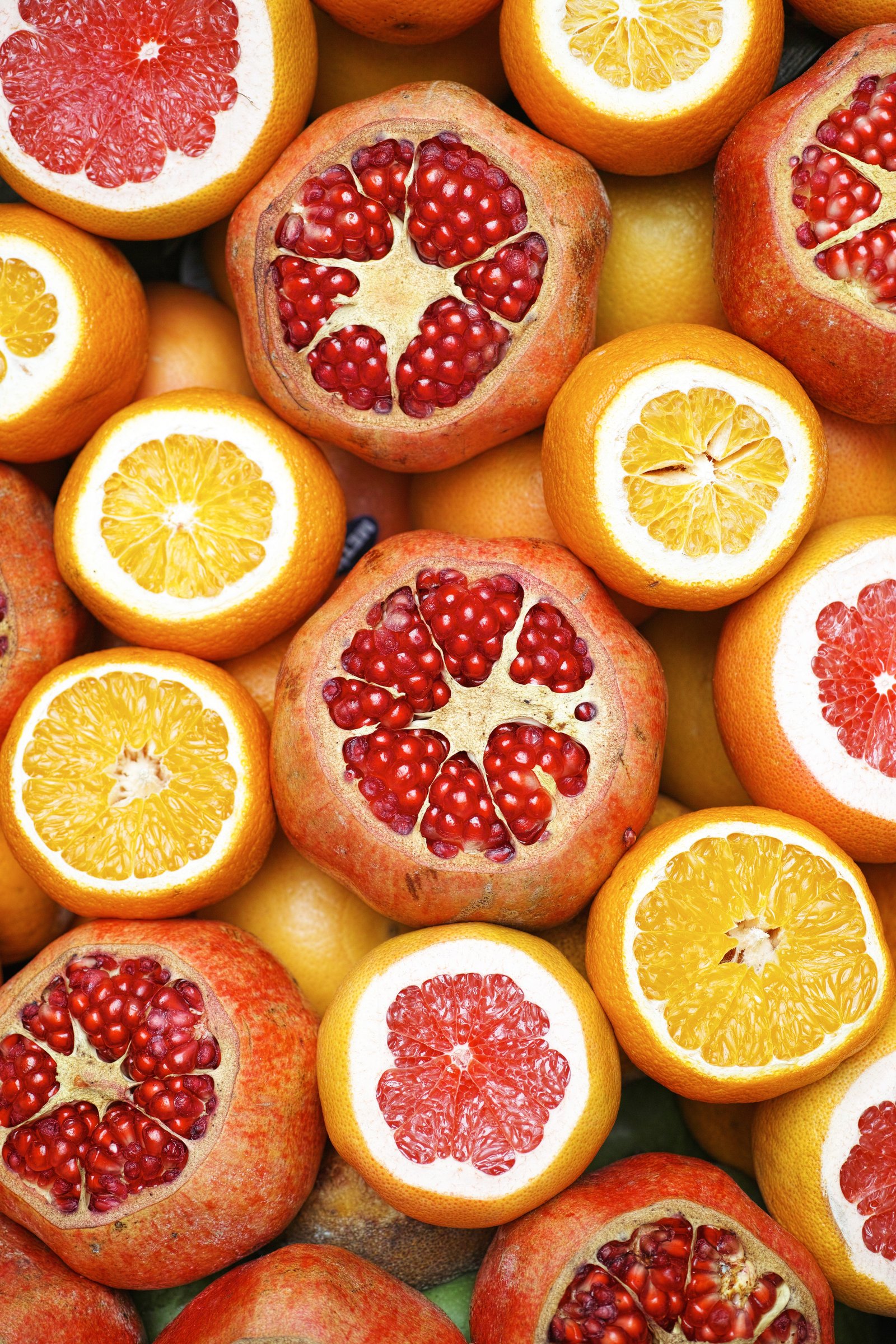
Introduction: Africa is known for its rich diversity of fruits and vegetables, and among them are the delightful and refreshing melons. From juicy watermelons to exotic horned melons, this vast continent is home to some truly unique and flavorful fruit varieties. In this blog post, we will dive into the world of African melons and fruits to discover their origins, nutritional benefits, and cultural significance. 1. Watermelon: Watermelon is perhaps the most well-known and loved African fruit around the world. With its sweet, juicy flesh and high water content, it has become a symbol of summer and refreshment. Indigenous to Southern Africa, watermelons are now grown throughout the continent. They are not only a tasty treat but also a good source of hydration, essential vitamins like vitamin C and A, and antioxidants. 2. Horned Melon: The horned melon, also known as kiwano or African horned cucumber, is a peculiar fruit that originates from Africa's semi-arid regions. With its bright orange spiky peel and unique jelly-like green flesh, the horned melon is a true visual delight. Its flavor is a delicate mix of banana, cucumber, and lemon, making it a popular ingredient in salads, smoothies, and even cocktails. 3. Baobab: The baobab tree, often referred to as the "Tree of Life," produces an infamous fruit packed with remarkable health benefits. The baobab fruit has a hard shell and powdery pulp inside, which is high in vitamin C, antioxidants, and fiber. Locals in Africa have long used baobab fruit in traditional medicine to boost energy, support digestion, and strengthen the immune system. Today, it has gained popularity worldwide in various forms like powder, juices, and nutritional supplements. 4. Marula: The marula fruit is native to Southern Africa and holds great significance in African culture. It has a juicy flesh and a tart flavor, often used to make jams, wines, and liqueurs. The marula tree is also known as the "elephant tree" as elephants are especially fond of its fruit. Rich in vitamin C, vitamin E, and antioxidants, this fruit not only pleases the palate but also offers numerous health benefits. 5. African Mango: The African mango, scientifically known as Irvingia gabonensis, is a fruit native to West and Central Africa. With its vibrant yellow flesh and deliciously sweet flavor, it is highly valued for culinary and medicinal purposes. African mangoes contain high fiber content, which aids in digestion and weight management. Additionally, research suggests that they may help lower cholesterol levels and regulate blood sugar levels. Conclusion: From the refreshing watermelon to the exotic horned melon and the nutritious baobab, African melons and fruits offer a remarkable diversity of flavors and health benefits. They not only contribute to the culinary traditions of various African countries but also hold cultural significance. Exploring these vibrant fruits allows us to appreciate the rich heritage and biodiversity Africa has to offer. So, let's embrace the deliciousness and nourishment provided by the melons and fruits of Africa! Discover new insights by reading http://www.afrospaces.com
Leave a Comment:
SEARCH
Recent News
- Zurich, Switzerland is known for its multicultural atmosphere and diverse culinary scene. One of the lesser-known gems of Zurich's food scene is Sudanese cuisine. Sudanese cuisine is a reflection of the country's diverse cultural influences, blending Arabic, African, and Mediterranean flavors to create a unique and delicious culinary experience.
- Zurich, Switzerland: A Culinary Journey through Regional Cuisine
- Zurich, Switzerland is known for its stunning landscapes, rich history, and vibrant culture. However, another aspect of Zurich that shouldn't be overlooked is its diverse and delicious fast food scene. From traditional Swiss street food to international favorites, there is something to satisfy every craving in Zurich. Let's take a closer look at some of the popular fast food options you can find in this picturesque city.
- Zurich, Switzerland is known for its stunning natural beauty, vibrant arts scene, and strong economy. However, what many people may not know is that this dynamic city also offers a diverse culinary experience that includes delicacies from around the world. One such cuisine that has found a home in Zurich is Philippine cuisine.
- Zurich, Switzerland is known for its picturesque views, stunning architecture, and vibrant cultural scene. Located in the heart of Europe, Zurich offers a mix of traditional Swiss cuisine and international flavors. One particular cuisine that has been making waves in Zurich is Paraguayan cuisine.
- Zurich, Switzerland is a city known for its stunning views, picturesque streets, and vibrant culture. It is also a melting pot of diverse culinary influences, with a wide range of cuisines to choose from. One such cuisine that has made its mark in Zurich is Norwegian cuisine.
- Zurich, Switzerland, and Montreal, Canada, are two vibrant cities known for their distinct cultural characteristics. While Zurich is renowned for its picturesque landscapes, rich history, and high standard of living, Montreal is famous for its diverse population, vibrant arts scene, and mouth-watering cuisine. In this blog post, we will delve into the delectable culinary offerings of Montreal and explore how its unique food scene sets it apart from the culinary landscape of Zurich.
- Zurich, Switzerland is a vibrant city known for its stunning architecture, picturesque landscapes, and diverse culinary scene. While Swiss cuisine certainly holds a special place in the hearts of many locals and visitors, the city also boasts a variety of international dining options, including Latin American food.
READ MORE
11 months ago Category : cfruits

Zurich, Switzerland is known for its multicultural atmosphere and diverse culinary scene. One of the lesser-known gems of Zurich's food scene is Sudanese cuisine. Sudanese cuisine is a reflection of the country's diverse cultural influences, blending Arabic, African, and Mediterranean flavors to create a unique and delicious culinary experience.
Read More →11 months ago Category : cfruits

Zurich, Switzerland: A Culinary Journey through Regional Cuisine
Read More →11 months ago Category : cfruits

Zurich, Switzerland is known for its stunning landscapes, rich history, and vibrant culture. However, another aspect of Zurich that shouldn't be overlooked is its diverse and delicious fast food scene. From traditional Swiss street food to international favorites, there is something to satisfy every craving in Zurich. Let's take a closer look at some of the popular fast food options you can find in this picturesque city.
Read More →11 months ago Category : cfruits
