Exploring the Richness of Arabic Berries and Fruits
Category : cfruits | Sub Category : cfruits Posted on 2023-10-30 21:24:53
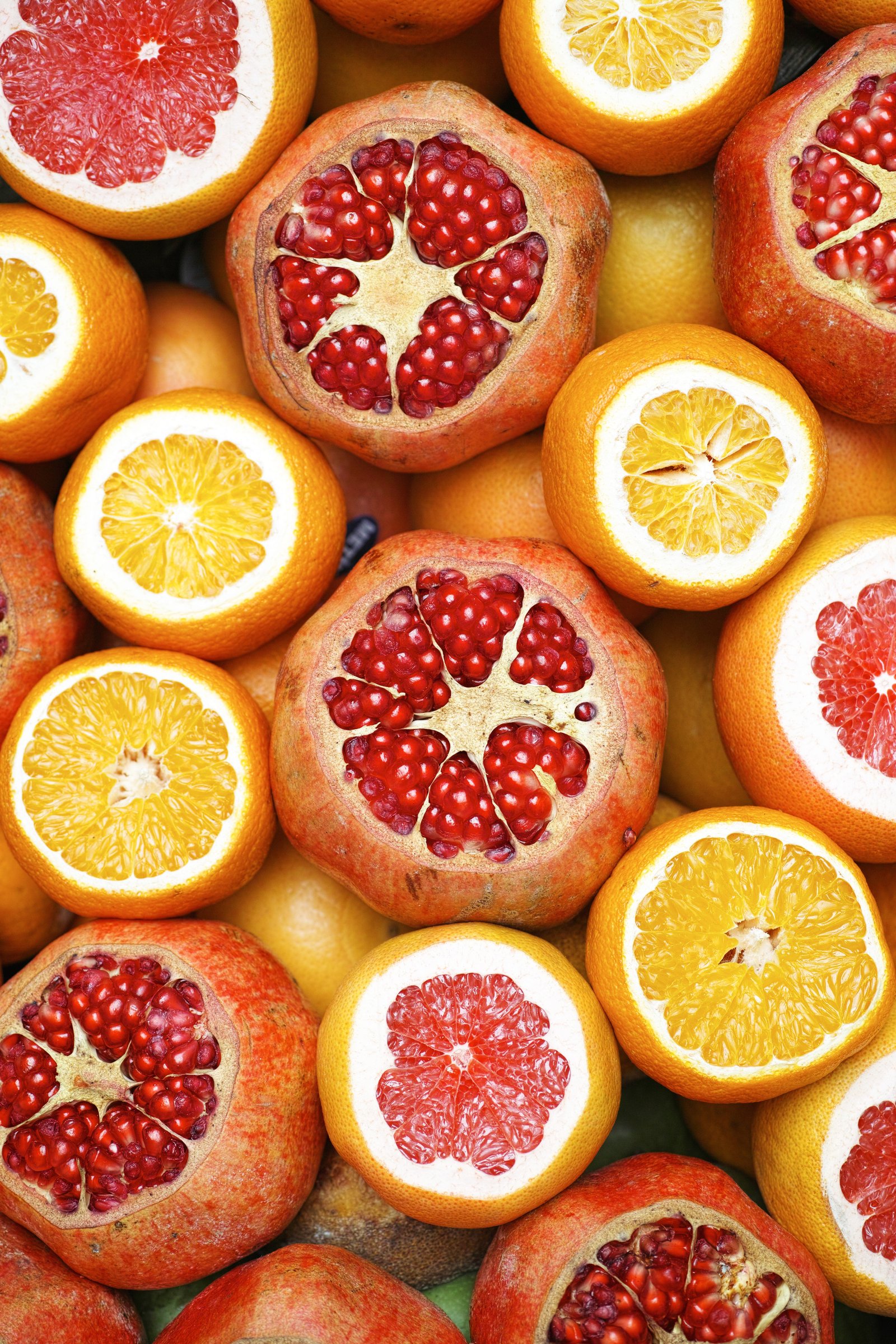
Introduction Arab cuisine is known for its diverse flavors and vibrant dishes. From aromatic spices to exotic fruits, the Arab world offers a culinary experience unlike any other. One aspect that often goes unexplored is the abundance of delicious berries and fruits native to the region. In this blog post, we will take a closer look at some of the extraordinary Arabic berries and fruits that deserve recognition for their unique flavors and health benefits. 1. Pomegranate: Pomegranates have been cultivated in the Middle East for thousands of years and hold a special place in Arabic culture. Known as "the jewel of winter," this ruby-colored fruit is known for its sweet-tart taste and numerous health benefits. Pomegranates are rich in antioxidants, vitamins, and minerals, making them excellent for boosting the immune system and promoting heart health. They are commonly enjoyed as fresh juice, used as a topping for salads, or added to savory dishes for a burst of flavor. 2. Dates: Dates are a staple fruit in the Arab world and have been a part of the region's cuisine since ancient times. These sweet and sticky fruits are not only delicious but also highly nutritious. Packed with fiber, vitamins, and minerals, dates provide an energy boost and aid in digestion. They are often enjoyed during the holy month of Ramadan, where they break the day-long fast due to their high nutritional value and satisfying nature. 3. Mulberries: Mulberries are a lesser-known fruit that is native to the Arab world. These dark, juicy berries are rich in antioxidants and have a sweet and refreshing taste. They are often used in jams, jellies, and desserts, and can also be enjoyed fresh or dried. Mulberries are known for their anti-inflammatory properties and are believed to have numerous health benefits, including improving blood circulation and promoting healthy digestion. 4. Jujube: Jujube, also known as the "red date," is a small, sweet fruit widely consumed in the Arab world. These tiny, red fruits have a chewy texture and a flavor reminiscent of dates. Jujubes are rich in vitamins and minerals and are believed to have calming properties, making them a popular choice during times of stress. They can be eaten fresh, dried, or used in various culinary preparations, including teas, desserts, and jams. 5. Quince: Quince is a unique fruit that has been cultivated in the Middle East for centuries. Resembling a cross between an apple and a pear, quinces have a distinct fragrance and a tart, acidic taste. They are commonly used in Arab cuisine to make jams, jellies, and chutneys. Quinces are high in fiber and phytochemicals, which are beneficial for digestion and overall health. Conclusion Arabic berries and fruits not only add a burst of flavor to dishes but also offer numerous health benefits. From the antioxidant-rich pomegranate to the energy-boosting dates, the Middle East boasts a wide variety of fruits that deserve a place in our pantries. Whether enjoyed fresh, dried, or in various culinary preparations, these Arabic berries and fruits provide a unique and delightful experience for the taste buds while promoting overall well-being. So why not explore the richness of Arabic berries and fruits and add them to your next culinary adventure? For a fresh perspective, give the following a read http://www.onlinebanat.com
Leave a Comment:
SEARCH
Recent News
- Zurich, Switzerland is known for its multicultural atmosphere and diverse culinary scene. One of the lesser-known gems of Zurich's food scene is Sudanese cuisine. Sudanese cuisine is a reflection of the country's diverse cultural influences, blending Arabic, African, and Mediterranean flavors to create a unique and delicious culinary experience.
- Zurich, Switzerland: A Culinary Journey through Regional Cuisine
- Zurich, Switzerland is known for its stunning landscapes, rich history, and vibrant culture. However, another aspect of Zurich that shouldn't be overlooked is its diverse and delicious fast food scene. From traditional Swiss street food to international favorites, there is something to satisfy every craving in Zurich. Let's take a closer look at some of the popular fast food options you can find in this picturesque city.
- Zurich, Switzerland is known for its stunning natural beauty, vibrant arts scene, and strong economy. However, what many people may not know is that this dynamic city also offers a diverse culinary experience that includes delicacies from around the world. One such cuisine that has found a home in Zurich is Philippine cuisine.
- Zurich, Switzerland is known for its picturesque views, stunning architecture, and vibrant cultural scene. Located in the heart of Europe, Zurich offers a mix of traditional Swiss cuisine and international flavors. One particular cuisine that has been making waves in Zurich is Paraguayan cuisine.
- Zurich, Switzerland is a city known for its stunning views, picturesque streets, and vibrant culture. It is also a melting pot of diverse culinary influences, with a wide range of cuisines to choose from. One such cuisine that has made its mark in Zurich is Norwegian cuisine.
- Zurich, Switzerland, and Montreal, Canada, are two vibrant cities known for their distinct cultural characteristics. While Zurich is renowned for its picturesque landscapes, rich history, and high standard of living, Montreal is famous for its diverse population, vibrant arts scene, and mouth-watering cuisine. In this blog post, we will delve into the delectable culinary offerings of Montreal and explore how its unique food scene sets it apart from the culinary landscape of Zurich.
- Zurich, Switzerland is a vibrant city known for its stunning architecture, picturesque landscapes, and diverse culinary scene. While Swiss cuisine certainly holds a special place in the hearts of many locals and visitors, the city also boasts a variety of international dining options, including Latin American food.
READ MORE
11 months ago Category : cfruits

Zurich, Switzerland is known for its multicultural atmosphere and diverse culinary scene. One of the lesser-known gems of Zurich's food scene is Sudanese cuisine. Sudanese cuisine is a reflection of the country's diverse cultural influences, blending Arabic, African, and Mediterranean flavors to create a unique and delicious culinary experience.
Read More →11 months ago Category : cfruits

Zurich, Switzerland: A Culinary Journey through Regional Cuisine
Read More →11 months ago Category : cfruits

Zurich, Switzerland is known for its stunning landscapes, rich history, and vibrant culture. However, another aspect of Zurich that shouldn't be overlooked is its diverse and delicious fast food scene. From traditional Swiss street food to international favorites, there is something to satisfy every craving in Zurich. Let's take a closer look at some of the popular fast food options you can find in this picturesque city.
Read More →11 months ago Category : cfruits
