Computer Vision in Food Industry: Enhancing Citrus Fruit Sorting Process
Category : cfruits | Sub Category : cfruits Posted on 2023-10-30 21:24:53
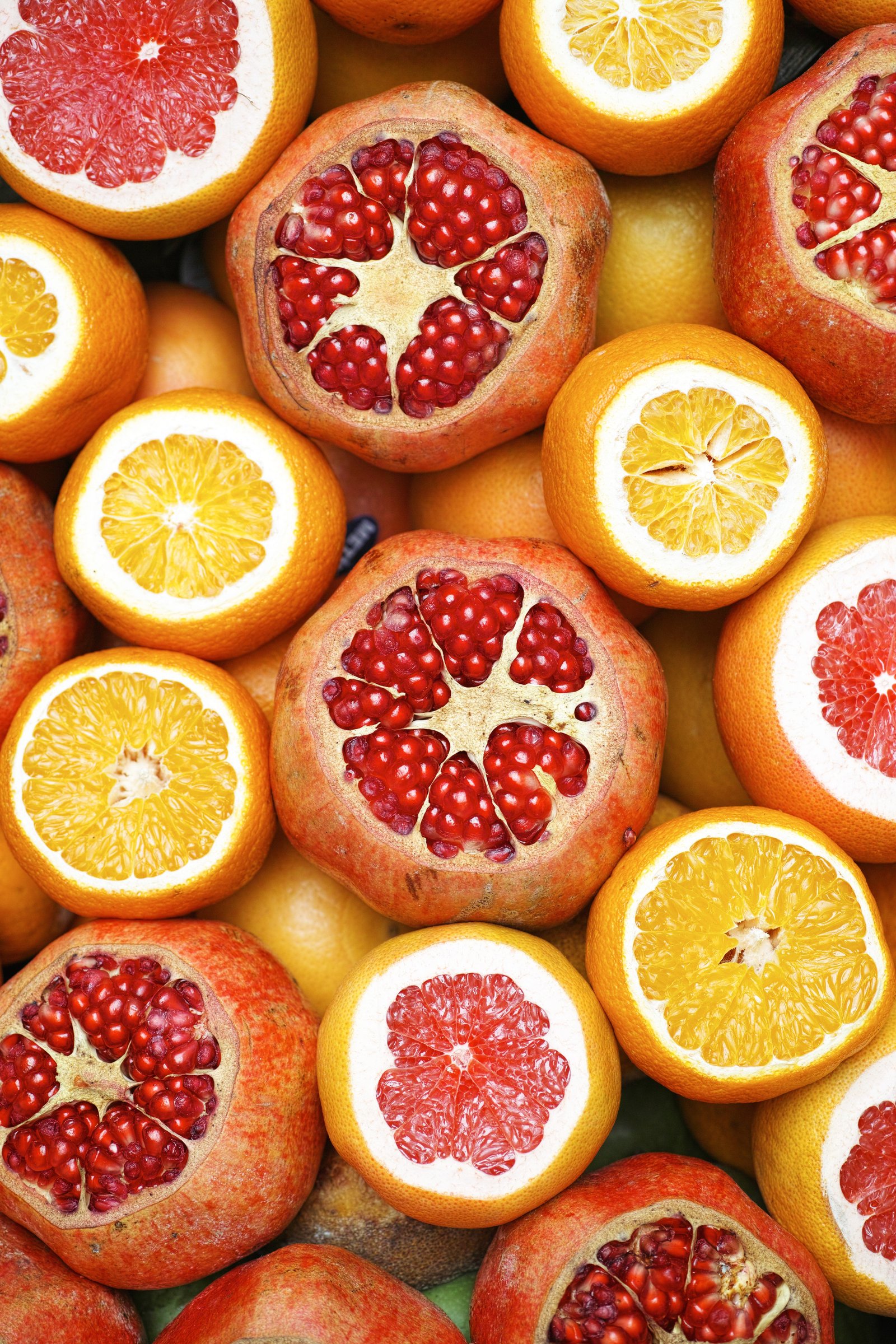
Introduction: In recent years, computer vision technology has revolutionized various industries, and the food sector is no exception. One area where computer vision has shown tremendous potential is in the sorting and quality control of citrus fruits. With its ability to automate and streamline processes, computer vision is transforming the way citrus fruits are inspected, graded, and sorted, leading to improved efficiency, accuracy, and ultimately, profitability for the food industry. 1. The Traditional Sorting Process: Traditionally, the sorting of citrus fruits has been a labor-intensive task. Workers manually inspect each fruit for defects, such as blemishes, bruises, or discoloration, and sort them into different categories based on quality and size. This process is time-consuming, subjective, and prone to human error. Furthermore, it requires a substantial workforce, increasing the operational costs for farmers and distributors. 2. How Computer Vision Works: Computer vision systems utilize machine learning algorithms and cameras to analyze images of citrus fruits in real-time. These systems can detect and classify defects, determine the fruit's size and color, and sort them accordingly. By capturing high-resolution images from various angles and using advanced image processing techniques, computer vision systems can provide objective and consistent results at a much faster pace than manual labor. 3. Advantages of Computer Vision in Citrus Fruit Sorting: a) Increased Accuracy: Computer vision systems can identify and classify defects with greater accuracy compared to human inspectors. This ensures that only high-quality fruits reach the market, reducing the risk of customer dissatisfaction and product recalls. b) Enhanced Efficiency: With the ability to process thousands of fruits per hour, computer vision systems drastically reduce sorting time and increase overall efficiency. This allows farmers and distributors to handle larger volumes of fruits, reducing the reliance on manual labor. c) Cost Reduction: Implementing computer vision technology can significantly reduce labor costs associated with fruit sorting. As fewer human resources are required, farmers and distributors can allocate their workforce to other areas of the production process. d) Consistency and Standardization: By removing the subjective nature of human inspection, computer vision ensures a consistent grading system for citrus fruits. This helps maintain quality standards and improves customer satisfaction. e) Data Analytics: Computer vision systems generate valuable data on various aspects of fruit quality, including size, color distribution, and defect types. This data can be analyzed to optimize crop management practices, identify patterns, and make informed decisions for future harvests. 4. Implementation Challenges: While computer vision technology offers many benefits, there are some challenges to consider. Ensuring accurate color representation under different lighting conditions, handling variations in fruit shape and size, and implementing robust algorithms are some of the challenges that researchers and developers are working to overcome. Conclusion: Computer vision in the citrus fruit industry is transforming the way fruits are sorted, graded, and ultimately delivered to consumers. This technology offers increased accuracy, efficiency, and cost reduction, enabling farmers and distributors to optimize their operations. As computer vision algorithms continue to advance, we can expect even more sophisticated and precise sorting systems, leading to improved quality control and customer satisfaction across the food industry. To gain a holistic understanding, refer to http://www.thunderact.com Seeking in-depth analysis? The following is a must-read. http://www.vfeat.com
Leave a Comment:
SEARCH
Recent News
- Zurich, Switzerland is known for its multicultural atmosphere and diverse culinary scene. One of the lesser-known gems of Zurich's food scene is Sudanese cuisine. Sudanese cuisine is a reflection of the country's diverse cultural influences, blending Arabic, African, and Mediterranean flavors to create a unique and delicious culinary experience.
- Zurich, Switzerland: A Culinary Journey through Regional Cuisine
- Zurich, Switzerland is known for its stunning landscapes, rich history, and vibrant culture. However, another aspect of Zurich that shouldn't be overlooked is its diverse and delicious fast food scene. From traditional Swiss street food to international favorites, there is something to satisfy every craving in Zurich. Let's take a closer look at some of the popular fast food options you can find in this picturesque city.
- Zurich, Switzerland is known for its stunning natural beauty, vibrant arts scene, and strong economy. However, what many people may not know is that this dynamic city also offers a diverse culinary experience that includes delicacies from around the world. One such cuisine that has found a home in Zurich is Philippine cuisine.
- Zurich, Switzerland is known for its picturesque views, stunning architecture, and vibrant cultural scene. Located in the heart of Europe, Zurich offers a mix of traditional Swiss cuisine and international flavors. One particular cuisine that has been making waves in Zurich is Paraguayan cuisine.
- Zurich, Switzerland is a city known for its stunning views, picturesque streets, and vibrant culture. It is also a melting pot of diverse culinary influences, with a wide range of cuisines to choose from. One such cuisine that has made its mark in Zurich is Norwegian cuisine.
- Zurich, Switzerland, and Montreal, Canada, are two vibrant cities known for their distinct cultural characteristics. While Zurich is renowned for its picturesque landscapes, rich history, and high standard of living, Montreal is famous for its diverse population, vibrant arts scene, and mouth-watering cuisine. In this blog post, we will delve into the delectable culinary offerings of Montreal and explore how its unique food scene sets it apart from the culinary landscape of Zurich.
- Zurich, Switzerland is a vibrant city known for its stunning architecture, picturesque landscapes, and diverse culinary scene. While Swiss cuisine certainly holds a special place in the hearts of many locals and visitors, the city also boasts a variety of international dining options, including Latin American food.
READ MORE
11 months ago Category : cfruits

Zurich, Switzerland is known for its multicultural atmosphere and diverse culinary scene. One of the lesser-known gems of Zurich's food scene is Sudanese cuisine. Sudanese cuisine is a reflection of the country's diverse cultural influences, blending Arabic, African, and Mediterranean flavors to create a unique and delicious culinary experience.
Read More →11 months ago Category : cfruits

Zurich, Switzerland: A Culinary Journey through Regional Cuisine
Read More →11 months ago Category : cfruits

Zurich, Switzerland is known for its stunning landscapes, rich history, and vibrant culture. However, another aspect of Zurich that shouldn't be overlooked is its diverse and delicious fast food scene. From traditional Swiss street food to international favorites, there is something to satisfy every craving in Zurich. Let's take a closer look at some of the popular fast food options you can find in this picturesque city.
Read More →11 months ago Category : cfruits
