Fun and Creative DIY Experiments with Melons and Fruits
Category : cfruits | Sub Category : cfruits Posted on 2023-10-30 21:24:53
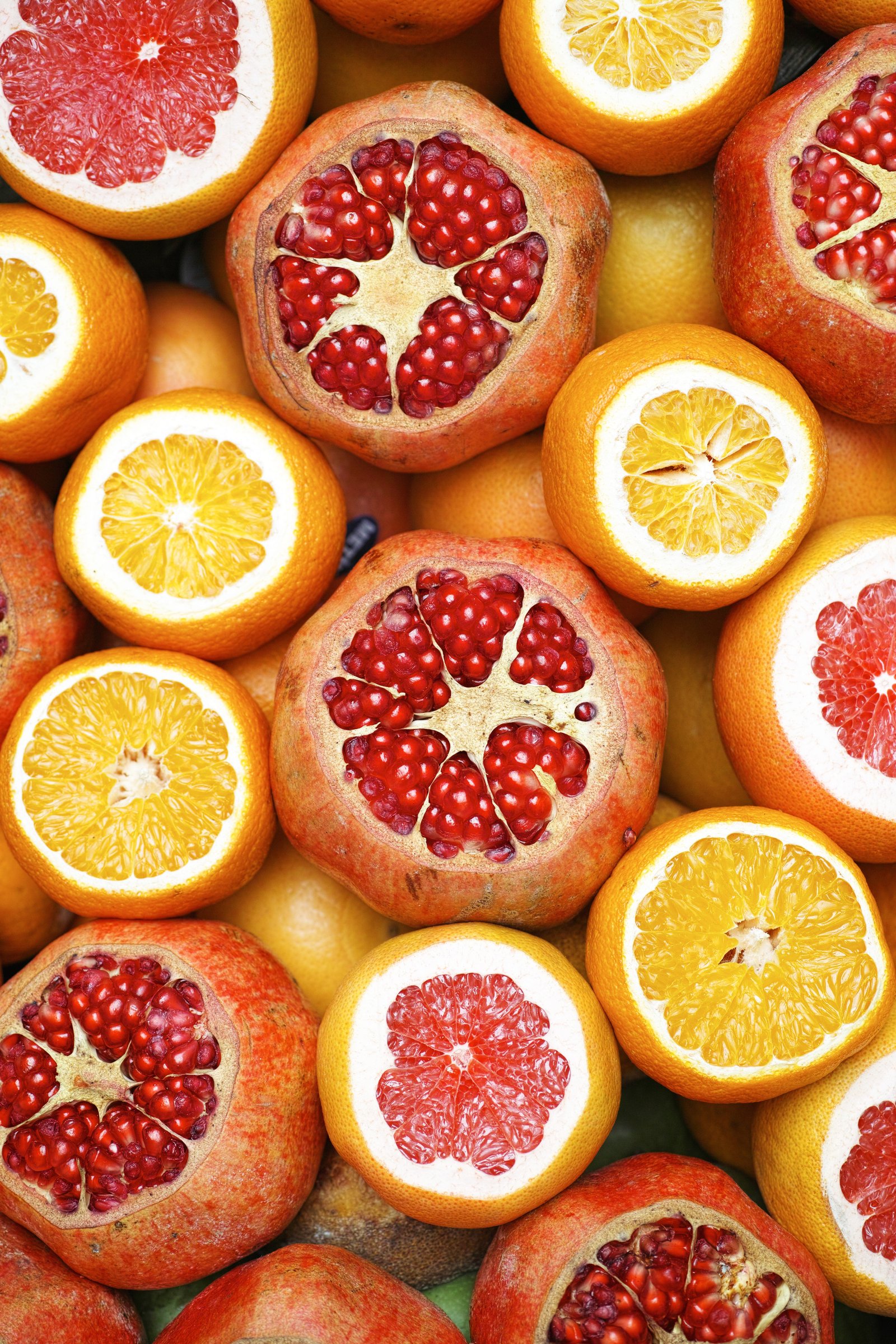
Introduction: Are you looking for a fun and engaging way to experiment with melons and other fruits? Look no further! In this blog post, we will dive into some fantastic DIY experiments that will not only educate you about the science behind these juicy treats but also provide hours of entertainment. So get ready to unlock your inner scientist and let's explore the wondrous world of melons and fruits! Experiment #1: Exploring the Osmosis Process Materials: Watermelon, salt, measuring cup, knife, cutting board Instructions: 1. Cut a watermelon into different shapes and sizes, ensuring you have a few slices and cubes. 2. Fill a measuring cup with water and dissolve salt in it. Make sure the water is saltier than the fruit. 3. Place a few watermelon slices and cubes in separate small bowls or cups. 4. Pour saltwater into one container and fresh water into the other. 5. Leave the fruits in the solutions for a few hours or overnight. 6. Observe and document any changes in the watermelon's texture, taste, and overall appearance. Explanation: This experiment demonstrates the process of osmosis, where water moves through a cell membrane to balance the concentration of substances on either side. The saltwater solution causes water molecules to move out of the fruit, resulting in a wrinkled texture. The fresh water solution, on the other hand, hydrates the fruit, making it appear plump and juicy. Experiment #2: Melon Volcano Materials: Watermelon, baking soda, vinegar, knife, spoon, and food coloring (optional) Instructions: 1. Cut a small hole in the top of a watermelon, creating a shallow cavity. 2. Scoop out some flesh from the melon, creating space for the reaction. 3. Sprinkle baking soda into the bottom of the cavity and add a few drops of food coloring if desired. 4. Pour vinegar into the cavity. 5. Stand back and watch as the mixture reacts, creating a melon volcano. Explanation: The combination of baking soda (a base) and vinegar (an acid) creates a chemical reaction that releases carbon dioxide gas. The gas bubbles up and fizzes, resulting in an exciting eruption. This experiment not only showcases the science behind the reaction but also adds a fun twist to the traditional volcano experiment. Experiment #3: Fruit Battery Materials: Various fruits (such as lemons, oranges, or apples), copper and zinc electrodes (nails or pennies), wires with alligator clips, light bulb Instructions: 1. Gather your fruits and cut them in half, separating the halves into groups. 2. Insert a copper electrode and a zinc electrode into each fruit half. Make sure to keep the electrodes separated. 3. Connect the copper electrode from one fruit half to the zinc electrode of the next fruit half using wires and alligator clips, creating a chain. 4. Finally, attach the free ends of the wire to a light bulb, completing the circuit. 5. Observe as the fruit-powered battery lights up the bulb. Explanation: Fruits naturally contain citric acid, which acts as an electrolyte in this experiment. When a fruit is cut and electrodes are inserted, a chemical reaction occurs, converting chemical energy into electrical energy. The flow of electrons through the circuit powers the light bulb, demonstrating the concept of electricity generation. Conclusion: DIY experiments with melons and fruits not only offer an interactive and entertaining learning experience but also provide a deeper understanding of scientific concepts such as osmosis, chemical reactions, and electricity generation. So, gather your supplies, snacks, and enthusiasm, and embark on a fruit-filled journey of discovery. Enjoy the wonders of science with a fruity twist! To delve deeper into this subject, consider these articles: http://www.improvedia.com
Leave a Comment:
SEARCH
Recent News
- Zurich, Switzerland is known for its multicultural atmosphere and diverse culinary scene. One of the lesser-known gems of Zurich's food scene is Sudanese cuisine. Sudanese cuisine is a reflection of the country's diverse cultural influences, blending Arabic, African, and Mediterranean flavors to create a unique and delicious culinary experience.
- Zurich, Switzerland: A Culinary Journey through Regional Cuisine
- Zurich, Switzerland is known for its stunning landscapes, rich history, and vibrant culture. However, another aspect of Zurich that shouldn't be overlooked is its diverse and delicious fast food scene. From traditional Swiss street food to international favorites, there is something to satisfy every craving in Zurich. Let's take a closer look at some of the popular fast food options you can find in this picturesque city.
- Zurich, Switzerland is known for its stunning natural beauty, vibrant arts scene, and strong economy. However, what many people may not know is that this dynamic city also offers a diverse culinary experience that includes delicacies from around the world. One such cuisine that has found a home in Zurich is Philippine cuisine.
- Zurich, Switzerland is known for its picturesque views, stunning architecture, and vibrant cultural scene. Located in the heart of Europe, Zurich offers a mix of traditional Swiss cuisine and international flavors. One particular cuisine that has been making waves in Zurich is Paraguayan cuisine.
- Zurich, Switzerland is a city known for its stunning views, picturesque streets, and vibrant culture. It is also a melting pot of diverse culinary influences, with a wide range of cuisines to choose from. One such cuisine that has made its mark in Zurich is Norwegian cuisine.
- Zurich, Switzerland, and Montreal, Canada, are two vibrant cities known for their distinct cultural characteristics. While Zurich is renowned for its picturesque landscapes, rich history, and high standard of living, Montreal is famous for its diverse population, vibrant arts scene, and mouth-watering cuisine. In this blog post, we will delve into the delectable culinary offerings of Montreal and explore how its unique food scene sets it apart from the culinary landscape of Zurich.
- Zurich, Switzerland is a vibrant city known for its stunning architecture, picturesque landscapes, and diverse culinary scene. While Swiss cuisine certainly holds a special place in the hearts of many locals and visitors, the city also boasts a variety of international dining options, including Latin American food.
READ MORE
11 months ago Category : cfruits

Zurich, Switzerland is known for its multicultural atmosphere and diverse culinary scene. One of the lesser-known gems of Zurich's food scene is Sudanese cuisine. Sudanese cuisine is a reflection of the country's diverse cultural influences, blending Arabic, African, and Mediterranean flavors to create a unique and delicious culinary experience.
Read More →11 months ago Category : cfruits

Zurich, Switzerland: A Culinary Journey through Regional Cuisine
Read More →11 months ago Category : cfruits

Zurich, Switzerland is known for its stunning landscapes, rich history, and vibrant culture. However, another aspect of Zurich that shouldn't be overlooked is its diverse and delicious fast food scene. From traditional Swiss street food to international favorites, there is something to satisfy every craving in Zurich. Let's take a closer look at some of the popular fast food options you can find in this picturesque city.
Read More →11 months ago Category : cfruits
