Embrace Freshness: DIY Home Citrus Fruits
Category : cfruits | Sub Category : cfruits Posted on 2023-10-30 21:24:53
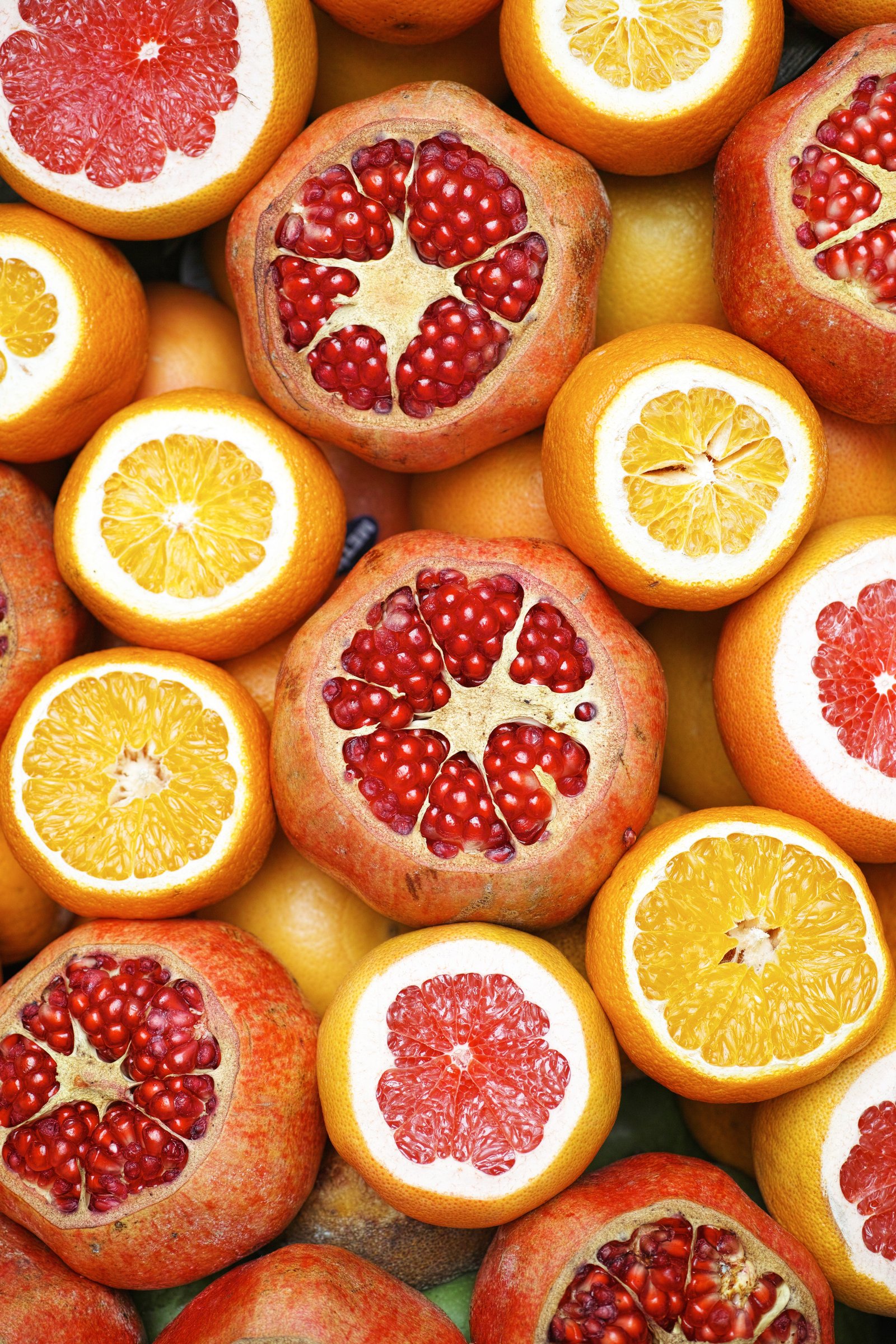
Introduction: Are you tired of buying expensive and sometimes tasteless citrus fruits from the grocery store? Why not bring the freshness and vibrancy of citrus fruits right into your own home? With a little bit of time and effort, you can successfully grow your own citrus fruits in the comfort of your home. In this blog post, we will guide you through the process of creating your very own DIY home citrus fruit garden a delightful and rewarding project that will bring a burst of fresh flavors to your culinary endeavors! Choosing the Right Citrus Fruit: The first step in starting your DIY home citrus fruit garden is selecting the right type of citrus fruit to grow. Some popular options include lemons, oranges, grapefruits, and limes. Consider your climate, available space, and personal preferences when making your selection. For instance, if you live in a colder region, a dwarf citrus tree that can be moved indoors during winter might be a suitable choice. Preparation and Planting: To kick off your DIY citrus adventure, you will need to prepare the planting area. Citrus trees thrive in well-draining soil with a pH range of 6.0 to 7.5. If your soil is too alkaline or sandy, consider amending it with organic matter like compost or well-rotted manure. Additionally, choose a sunny spot with at least six to eight hours of direct sunlight daily. When it comes to planting your citrus tree, start by digging a hole that is slightly larger and deeper than the root ball. Gently remove the tree from its container and ensure that the roots are evenly spread out in the hole. Once planted, backfill the hole with soil and gently firm it down to eliminate air pockets. Maintenance and Care: Like any other plant, citrus trees require regular care and maintenance to thrive. Here are some essential tips to ensure the health and vitality of your DIY home citrus fruit garden: 1. Watering: Citrus trees prefer consistent watering. Be careful not to over-water or let the soil become waterlogged, as this can lead to root rot. A slow, deep watering once a week during dry periods should be sufficient. 2. Fertilization: Feed your citrus trees regularly with a balanced citrus-specific fertilizer. Opt for a slow-release granular fertilizer or a water-soluble variety according to the instructions on the package. It is generally recommended to fertilize in the spring, summer, and fall. 3. Pruning: Pruning is essential for maintaining an optimal shape, promoting airflow, and removing dead or diseased branches. Prune your citrus tree in late winter or early spring before the growing season begins. 4. Pest Control: Keep an eye out for common citrus pests such as aphids, scale insects, and citrus leaf miners. Regularly inspect your plants, and if necessary, use organic or chemical solutions to control and prevent infestations. Harvesting and Enjoying the Fruits of Your Labor: Depending on the type of citrus fruit you choose, it may take anywhere from several months to a couple of years before you can enjoy your first harvest. Once the fruits are ripe, gently twist or cut them from the tree. Citrus fruits are best enjoyed shortly after picking to savor their optimal flavor and juiciness. Whether you squeeze some fresh lemon juice into your favorite recipes, create a zesty orange glaze for a dessert, or simply enjoy a refreshing glass of homemade citrus juice, the fruits of your DIY home citrus fruit garden will surely bring a burst of flavor and a sense of accomplishment to your culinary creations. Conclusion: Bringing the essence of citrus fruits to your DIY home citrus fruit garden is an exciting and rewarding adventure. With proper care and maintenance, your citrus trees will grow and flourish, providing you with an abundance of delicious, homegrown citrus fruits. So, why not dive into this fresh and vibrant project? Embrace the joy of growing your own citrus fruits and create a haven of freshness right within your home! For the latest insights, read: http://www.svop.org this link is for more information http://www.mimidate.com
Leave a Comment:
SEARCH
Recent News
- Zurich, Switzerland is known for its multicultural atmosphere and diverse culinary scene. One of the lesser-known gems of Zurich's food scene is Sudanese cuisine. Sudanese cuisine is a reflection of the country's diverse cultural influences, blending Arabic, African, and Mediterranean flavors to create a unique and delicious culinary experience.
- Zurich, Switzerland: A Culinary Journey through Regional Cuisine
- Zurich, Switzerland is known for its stunning landscapes, rich history, and vibrant culture. However, another aspect of Zurich that shouldn't be overlooked is its diverse and delicious fast food scene. From traditional Swiss street food to international favorites, there is something to satisfy every craving in Zurich. Let's take a closer look at some of the popular fast food options you can find in this picturesque city.
- Zurich, Switzerland is known for its stunning natural beauty, vibrant arts scene, and strong economy. However, what many people may not know is that this dynamic city also offers a diverse culinary experience that includes delicacies from around the world. One such cuisine that has found a home in Zurich is Philippine cuisine.
- Zurich, Switzerland is known for its picturesque views, stunning architecture, and vibrant cultural scene. Located in the heart of Europe, Zurich offers a mix of traditional Swiss cuisine and international flavors. One particular cuisine that has been making waves in Zurich is Paraguayan cuisine.
- Zurich, Switzerland is a city known for its stunning views, picturesque streets, and vibrant culture. It is also a melting pot of diverse culinary influences, with a wide range of cuisines to choose from. One such cuisine that has made its mark in Zurich is Norwegian cuisine.
- Zurich, Switzerland, and Montreal, Canada, are two vibrant cities known for their distinct cultural characteristics. While Zurich is renowned for its picturesque landscapes, rich history, and high standard of living, Montreal is famous for its diverse population, vibrant arts scene, and mouth-watering cuisine. In this blog post, we will delve into the delectable culinary offerings of Montreal and explore how its unique food scene sets it apart from the culinary landscape of Zurich.
- Zurich, Switzerland is a vibrant city known for its stunning architecture, picturesque landscapes, and diverse culinary scene. While Swiss cuisine certainly holds a special place in the hearts of many locals and visitors, the city also boasts a variety of international dining options, including Latin American food.
READ MORE
11 months ago Category : cfruits

Zurich, Switzerland is known for its multicultural atmosphere and diverse culinary scene. One of the lesser-known gems of Zurich's food scene is Sudanese cuisine. Sudanese cuisine is a reflection of the country's diverse cultural influences, blending Arabic, African, and Mediterranean flavors to create a unique and delicious culinary experience.
Read More →11 months ago Category : cfruits

Zurich, Switzerland: A Culinary Journey through Regional Cuisine
Read More →11 months ago Category : cfruits

Zurich, Switzerland is known for its stunning landscapes, rich history, and vibrant culture. However, another aspect of Zurich that shouldn't be overlooked is its diverse and delicious fast food scene. From traditional Swiss street food to international favorites, there is something to satisfy every craving in Zurich. Let's take a closer look at some of the popular fast food options you can find in this picturesque city.
Read More →11 months ago Category : cfruits
