DIY Home: How to Grow and Care for Pineapple Guava
Category : cfruits | Sub Category : cfruits Posted on 2023-10-30 21:24:53
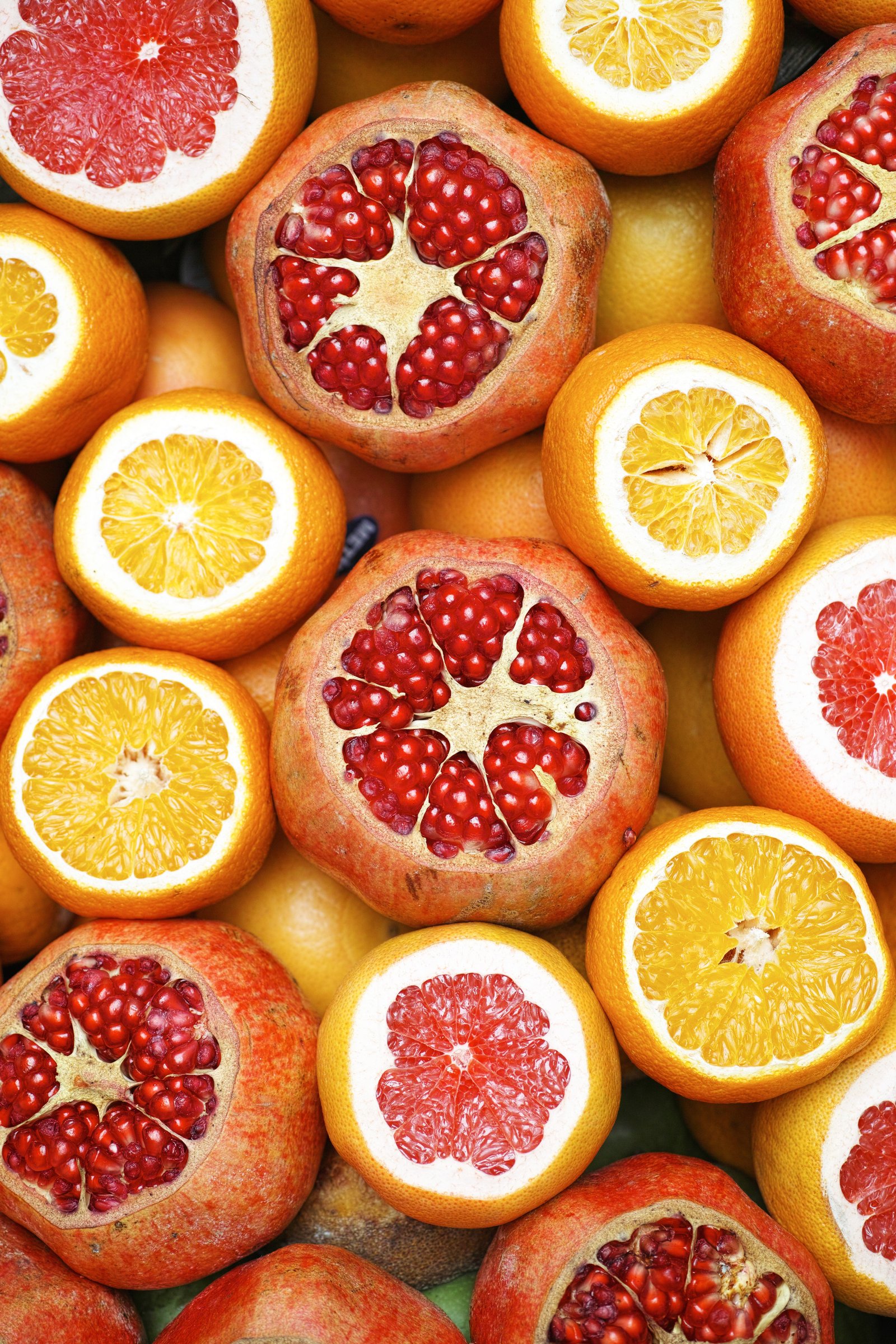
Introduction: Are you looking to freshen up your home garden with a unique and delicious fruit? Look no further than pineapple guava! Also known as feijoa, this delectable fruit is not only a delight to eat but is also an attractive addition to any garden. In this blog post, we will guide you through the process of growing and caring for pineapple guava right in your own backyard. 1. Choosing the Right Location: Before you start planting pineapple guava, it's important to select the perfect spot in your garden. Pineapple guava thrives in full sun but can also tolerate partial shade. Ensure the soil is well-draining and slightly acidic, with a pH between 6 and 7. 2. Planting Pineapple Guava: Pineapple guava can be grown from seeds or propagated through cuttings. If you're starting from seeds, soak them in warm water overnight before planting. Dig a hole twice the size of the root ball and gently place the plant in, backfilling with soil. 3. Watering and Fertilizing: Pineapple guava requires regular watering, especially during dry periods. Keep the soil evenly moist, but make sure not to overwater as this can cause root rot. Applying a layer of organic mulch around the plant helps retain moisture and suppress weeds. Fertilize the plant in the spring and early summer with a balanced fertilizer to promote healthy growth. 4. Pruning and Training: Pineapple guava can be trained into a shrub or small tree depending on your preference. Regular pruning can help maintain its shape and encourage better fruit production. Remove any dead or diseased branches, and thin overcrowded growth to allow sunlight to penetrate and air to circulate within the plant. 5. Protecting from Frost: Pineapple guava is relatively hardy, but it may need protection from frost in colder climates. Cover the plant with a frost cloth or move it to a sheltered location if frost is expected. Providing a thick layer of mulch around the base of the plant can also help protect the roots from freezing temperatures. 6. Harvesting and Enjoying Pineapple Guava: Pineapple guavas are usually ready for harvest in late summer to early fall, depending on the variety. The fruit is ripe when it starts to drop or when it gives slightly to gentle pressure. Twist the fruit until it comes off the stem, being careful not to bruise it. Enjoy pineapple guava fresh by cutting it in half and scooping out the flesh or use it in a variety of culinary creations such as smoothies, jams, or desserts. Conclusion: Growing pineapple guava at home can be a rewarding experience. With a little bit of care and attention, you can enjoy the luscious fruit and vibrant beauty of this tropical plant right in your backyard. So, why not give pineapple guava a try and add a touch of exotic flavor to your DIY home gardening adventure? For a different perspective, see: http://www.svop.org More in http://www.mimidate.com
Leave a Comment:
SEARCH
Recent News
- Zurich, Switzerland is known for its multicultural atmosphere and diverse culinary scene. One of the lesser-known gems of Zurich's food scene is Sudanese cuisine. Sudanese cuisine is a reflection of the country's diverse cultural influences, blending Arabic, African, and Mediterranean flavors to create a unique and delicious culinary experience.
- Zurich, Switzerland: A Culinary Journey through Regional Cuisine
- Zurich, Switzerland is known for its stunning landscapes, rich history, and vibrant culture. However, another aspect of Zurich that shouldn't be overlooked is its diverse and delicious fast food scene. From traditional Swiss street food to international favorites, there is something to satisfy every craving in Zurich. Let's take a closer look at some of the popular fast food options you can find in this picturesque city.
- Zurich, Switzerland is known for its stunning natural beauty, vibrant arts scene, and strong economy. However, what many people may not know is that this dynamic city also offers a diverse culinary experience that includes delicacies from around the world. One such cuisine that has found a home in Zurich is Philippine cuisine.
- Zurich, Switzerland is known for its picturesque views, stunning architecture, and vibrant cultural scene. Located in the heart of Europe, Zurich offers a mix of traditional Swiss cuisine and international flavors. One particular cuisine that has been making waves in Zurich is Paraguayan cuisine.
- Zurich, Switzerland is a city known for its stunning views, picturesque streets, and vibrant culture. It is also a melting pot of diverse culinary influences, with a wide range of cuisines to choose from. One such cuisine that has made its mark in Zurich is Norwegian cuisine.
- Zurich, Switzerland, and Montreal, Canada, are two vibrant cities known for their distinct cultural characteristics. While Zurich is renowned for its picturesque landscapes, rich history, and high standard of living, Montreal is famous for its diverse population, vibrant arts scene, and mouth-watering cuisine. In this blog post, we will delve into the delectable culinary offerings of Montreal and explore how its unique food scene sets it apart from the culinary landscape of Zurich.
- Zurich, Switzerland is a vibrant city known for its stunning architecture, picturesque landscapes, and diverse culinary scene. While Swiss cuisine certainly holds a special place in the hearts of many locals and visitors, the city also boasts a variety of international dining options, including Latin American food.
READ MORE
11 months ago Category : cfruits

Zurich, Switzerland is known for its multicultural atmosphere and diverse culinary scene. One of the lesser-known gems of Zurich's food scene is Sudanese cuisine. Sudanese cuisine is a reflection of the country's diverse cultural influences, blending Arabic, African, and Mediterranean flavors to create a unique and delicious culinary experience.
Read More →11 months ago Category : cfruits

Zurich, Switzerland: A Culinary Journey through Regional Cuisine
Read More →11 months ago Category : cfruits

Zurich, Switzerland is known for its stunning landscapes, rich history, and vibrant culture. However, another aspect of Zurich that shouldn't be overlooked is its diverse and delicious fast food scene. From traditional Swiss street food to international favorites, there is something to satisfy every craving in Zurich. Let's take a closer look at some of the popular fast food options you can find in this picturesque city.
Read More →11 months ago Category : cfruits
