The Political Controversy Surrounding Tomatoes: Fruit or Vegetable?
Category : cfruits | Sub Category : cfruits Posted on 2023-10-30 21:24:53
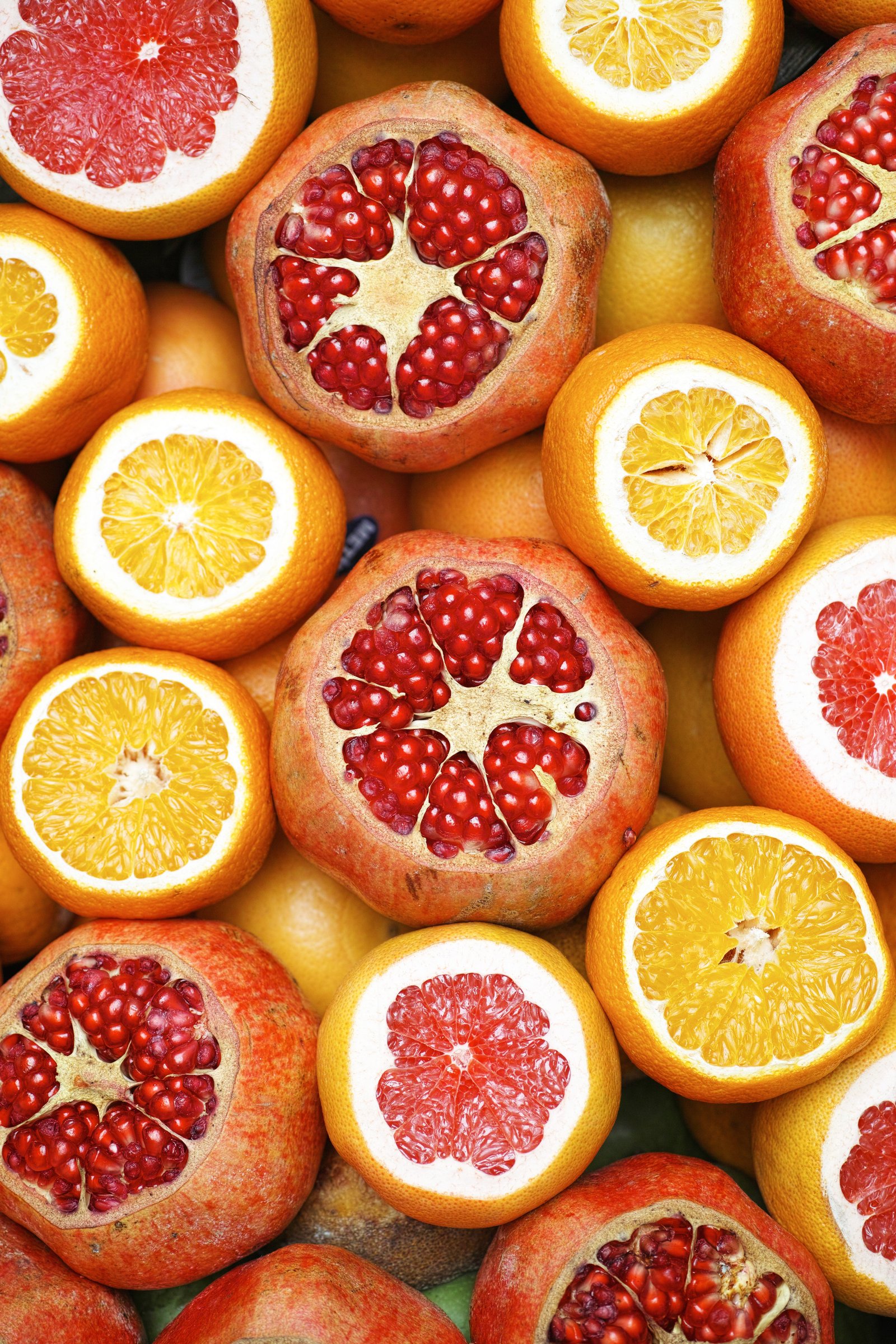
Introduction: In the world of politics, even seemingly innocent subjects like tomatoes can become sources of contention. While you may be thinking, "What's the big deal? Tomatoes are just fruits, right?" Well, that's where you're mistaken. The classification of tomatoes as either a fruit or a vegetable has sparked debates and legal battles, highlighting the intersection of politics and everyday life. 1. The Botanical Definition: Scientifically speaking, tomatoes are fruits. Botanically, a fruit is defined as the ripened ovary of a flowering plant, typically containing seeds. By this definition, tomatoes undoubtedly fall under the fruit category. However, in the realm of agriculture and culinary traditions, things get a bit more complicated. 2. The Legal Controversy: The debate over tomatoes' classification reached the United States Supreme Court in the late 19th century. In the case of Nix v. Hedden (1893), the court had to decide whether tomatoes should be considered a fruit or a vegetable under tariff laws. In a 9-0 decision, the court ruled that tomatoes should be classified as vegetables for the purposes of taxation. The decision was based on the argument that tomatoes were primarily used in savory dishes rather than in sweet ones. This ruling had significant implications for importers and customs duties at the time. It reveals how politics and legal interpretations can influence the classification of even the most basic food items. 3. Culinary Traditions and Confusion: While the Supreme Court defined tomatoes as vegetables for legal purposes, its decision did not change the botanical truth that tomatoes are fruits. This discrepancy has created confusion among many people. In everyday cooking, tomatoes are commonly used as vegetables, finding their place in sauces, salads, and savory dishes. However, they are also integral ingredients in sweet dishes like jams, pies, and even some desserts. This culinary duality adds to the complexity of the debate. 4. Health Benefits and Nutrition: Regardless of how we classify them, tomatoes are undeniably nutritious. They are rich in vitamins (particularly vitamin C), minerals, and antioxidants. Tomatoes are also known to be a good source of lycopene, a compound associated with various health benefits, including reducing the risk of heart disease and certain types of cancer. Conclusion: The debate over whether tomatoes are fruits or vegetables may seem trivial, but it sheds light on the intersection of politics, botany, and culinary traditions. The Nix v. Hedden case represents how legal decisions can shape our everyday lives, even impacting the taxation of commonly consumed foods. In the end, whether you consider tomatoes fruits or vegetables may depend on your cultural background, culinary preferences, or scientific knowledge. What truly matters is the health benefits and versatility they bring to our plates. So, let's celebrate the deliciousness and nutritional value of this vibrant and controversial ingredient, no matter how we choose to classify it. For an extensive perspective, read http://www.culturepolitics.com also click the following link for more http://www.mimidate.com For a different perspective, see: http://www.cotidiano.org
Leave a Comment:
SEARCH
Recent News
- Zurich, Switzerland is known for its multicultural atmosphere and diverse culinary scene. One of the lesser-known gems of Zurich's food scene is Sudanese cuisine. Sudanese cuisine is a reflection of the country's diverse cultural influences, blending Arabic, African, and Mediterranean flavors to create a unique and delicious culinary experience.
- Zurich, Switzerland: A Culinary Journey through Regional Cuisine
- Zurich, Switzerland is known for its stunning landscapes, rich history, and vibrant culture. However, another aspect of Zurich that shouldn't be overlooked is its diverse and delicious fast food scene. From traditional Swiss street food to international favorites, there is something to satisfy every craving in Zurich. Let's take a closer look at some of the popular fast food options you can find in this picturesque city.
- Zurich, Switzerland is known for its stunning natural beauty, vibrant arts scene, and strong economy. However, what many people may not know is that this dynamic city also offers a diverse culinary experience that includes delicacies from around the world. One such cuisine that has found a home in Zurich is Philippine cuisine.
- Zurich, Switzerland is known for its picturesque views, stunning architecture, and vibrant cultural scene. Located in the heart of Europe, Zurich offers a mix of traditional Swiss cuisine and international flavors. One particular cuisine that has been making waves in Zurich is Paraguayan cuisine.
- Zurich, Switzerland is a city known for its stunning views, picturesque streets, and vibrant culture. It is also a melting pot of diverse culinary influences, with a wide range of cuisines to choose from. One such cuisine that has made its mark in Zurich is Norwegian cuisine.
- Zurich, Switzerland, and Montreal, Canada, are two vibrant cities known for their distinct cultural characteristics. While Zurich is renowned for its picturesque landscapes, rich history, and high standard of living, Montreal is famous for its diverse population, vibrant arts scene, and mouth-watering cuisine. In this blog post, we will delve into the delectable culinary offerings of Montreal and explore how its unique food scene sets it apart from the culinary landscape of Zurich.
- Zurich, Switzerland is a vibrant city known for its stunning architecture, picturesque landscapes, and diverse culinary scene. While Swiss cuisine certainly holds a special place in the hearts of many locals and visitors, the city also boasts a variety of international dining options, including Latin American food.
READ MORE
10 months ago Category : cfruits

Zurich, Switzerland is known for its multicultural atmosphere and diverse culinary scene. One of the lesser-known gems of Zurich's food scene is Sudanese cuisine. Sudanese cuisine is a reflection of the country's diverse cultural influences, blending Arabic, African, and Mediterranean flavors to create a unique and delicious culinary experience.
Read More →10 months ago Category : cfruits

Zurich, Switzerland: A Culinary Journey through Regional Cuisine
Read More →10 months ago Category : cfruits

Zurich, Switzerland is known for its stunning landscapes, rich history, and vibrant culture. However, another aspect of Zurich that shouldn't be overlooked is its diverse and delicious fast food scene. From traditional Swiss street food to international favorites, there is something to satisfy every craving in Zurich. Let's take a closer look at some of the popular fast food options you can find in this picturesque city.
Read More →10 months ago Category : cfruits
