Fact Checking the Vitamin C Content in Fruits: Separating Fact from Fiction
Category : cfruits | Sub Category : cfruits Posted on 2023-10-30 21:24:53
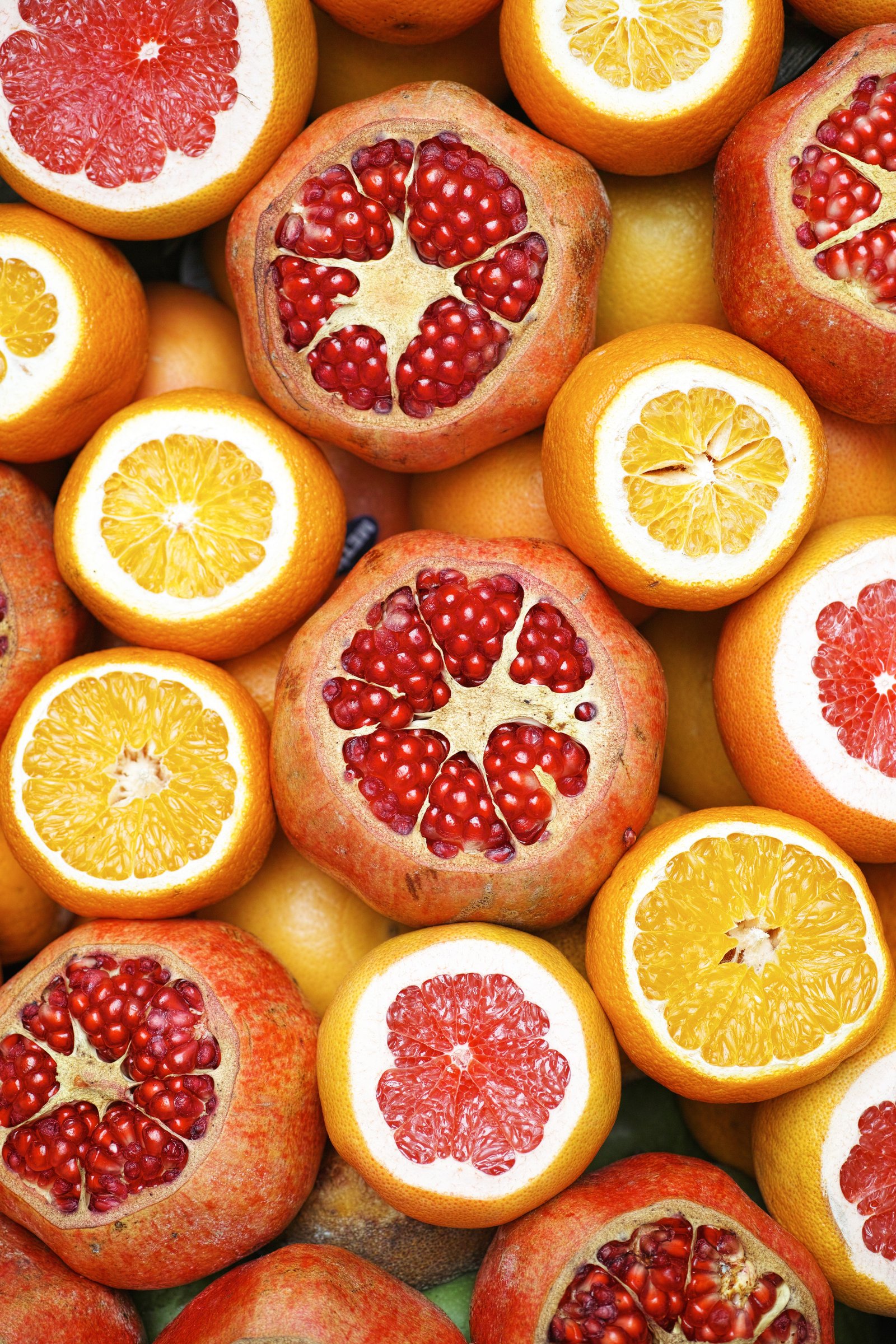
Introduction: Vitamin C is an essential nutrient that plays a crucial role in maintaining overall health. Known for its immune-boosting properties, vitamin C is commonly associated with citrus fruits such as oranges and lemons. However, there are various other fruits that are often touted as excellent sources of vitamin C. In this blog post, we will fact check the vitamin C content in fruits, dispel common misconceptions, and provide accurate information to help you make informed decisions about your dietary choices. 1. Oranges: The Classic Source of Vitamin C There's no denying that oranges have long been hailed as the go-to source for vitamin C. Rich in antioxidants, oranges do contain a significant amount of vitamin C. On average, a medium-sized orange provides around 70-90 mg of vitamin C. Including oranges in your diet can help boost your immune system and protect against various illnesses. 2. Lemons: A Surprisingly Good Source While lemons are not typically considered a primary source of vitamin C due to their tart taste, they actually contain a decent amount of this essential nutrient. A medium-sized lemon may contain approximately 30-40 mg of vitamin C. Adding a squeeze of lemon to your water or using it as a seasoning can contribute to your daily intake of vitamin C. 3. Strawberries: A Vitamin C Powerhouse Often overlooked, strawberries are an excellent source of vitamin C. Just one cup of strawberries provides approximately 85 mg of vitamin C, surpassing the amount found in an average orange. Incorporating strawberries into your diet, whether as a snack, in smoothies, or in salads, can boost your vitamin C intake. 4. Kiwi: A Tropical Delight Packed with Vitamin C With its vibrant green flesh and sweet-tart taste, kiwi fruit is another great source of vitamin C. One medium-sized kiwi contains around 64 mg of vitamin C, making it an excellent addition to your daily fruit intake. Mix diced kiwis with other fruits or enjoy them on their own for a refreshing and nutritious snack. 5. Guava: A Lesser-Known Vitamin C Powerhouse While guava might not be as common or widely consumed as other fruits, it deserves recognition for its remarkable vitamin C content. A medium-sized guava can provide a whopping 228 mg of vitamin C, surpassing the daily recommended intake. Incorporating guava into your diet can help strengthen your immune system and protect against oxidative stress. Conclusion: While oranges and lemons have long been associated with vitamin C, our fact-checking adventure has revealed that there are several other fruits that boast impressive amounts of this essential nutrient. Incorporating a variety of fruits like strawberries, kiwi, and guava into your diet can help ensure you meet your daily vitamin C requirements. Remember, it's always best to get your nutrients from a diverse range of food sources rather than relying solely on a single fruit. Here is the following website to check: http://www.semifake.com
Leave a Comment:
SEARCH
Recent News
- Zurich, Switzerland is known for its multicultural atmosphere and diverse culinary scene. One of the lesser-known gems of Zurich's food scene is Sudanese cuisine. Sudanese cuisine is a reflection of the country's diverse cultural influences, blending Arabic, African, and Mediterranean flavors to create a unique and delicious culinary experience.
- Zurich, Switzerland: A Culinary Journey through Regional Cuisine
- Zurich, Switzerland is known for its stunning landscapes, rich history, and vibrant culture. However, another aspect of Zurich that shouldn't be overlooked is its diverse and delicious fast food scene. From traditional Swiss street food to international favorites, there is something to satisfy every craving in Zurich. Let's take a closer look at some of the popular fast food options you can find in this picturesque city.
- Zurich, Switzerland is known for its stunning natural beauty, vibrant arts scene, and strong economy. However, what many people may not know is that this dynamic city also offers a diverse culinary experience that includes delicacies from around the world. One such cuisine that has found a home in Zurich is Philippine cuisine.
- Zurich, Switzerland is known for its picturesque views, stunning architecture, and vibrant cultural scene. Located in the heart of Europe, Zurich offers a mix of traditional Swiss cuisine and international flavors. One particular cuisine that has been making waves in Zurich is Paraguayan cuisine.
- Zurich, Switzerland is a city known for its stunning views, picturesque streets, and vibrant culture. It is also a melting pot of diverse culinary influences, with a wide range of cuisines to choose from. One such cuisine that has made its mark in Zurich is Norwegian cuisine.
- Zurich, Switzerland, and Montreal, Canada, are two vibrant cities known for their distinct cultural characteristics. While Zurich is renowned for its picturesque landscapes, rich history, and high standard of living, Montreal is famous for its diverse population, vibrant arts scene, and mouth-watering cuisine. In this blog post, we will delve into the delectable culinary offerings of Montreal and explore how its unique food scene sets it apart from the culinary landscape of Zurich.
- Zurich, Switzerland is a vibrant city known for its stunning architecture, picturesque landscapes, and diverse culinary scene. While Swiss cuisine certainly holds a special place in the hearts of many locals and visitors, the city also boasts a variety of international dining options, including Latin American food.
READ MORE
11 months ago Category : cfruits

Zurich, Switzerland is known for its multicultural atmosphere and diverse culinary scene. One of the lesser-known gems of Zurich's food scene is Sudanese cuisine. Sudanese cuisine is a reflection of the country's diverse cultural influences, blending Arabic, African, and Mediterranean flavors to create a unique and delicious culinary experience.
Read More →11 months ago Category : cfruits

Zurich, Switzerland: A Culinary Journey through Regional Cuisine
Read More →11 months ago Category : cfruits

Zurich, Switzerland is known for its stunning landscapes, rich history, and vibrant culture. However, another aspect of Zurich that shouldn't be overlooked is its diverse and delicious fast food scene. From traditional Swiss street food to international favorites, there is something to satisfy every craving in Zurich. Let's take a closer look at some of the popular fast food options you can find in this picturesque city.
Read More →11 months ago Category : cfruits
