The Nutritional Powerhouses: Vitamin C-rich Melons
Category : cfruits | Sub Category : cfruits Posted on 2023-10-30 21:24:53
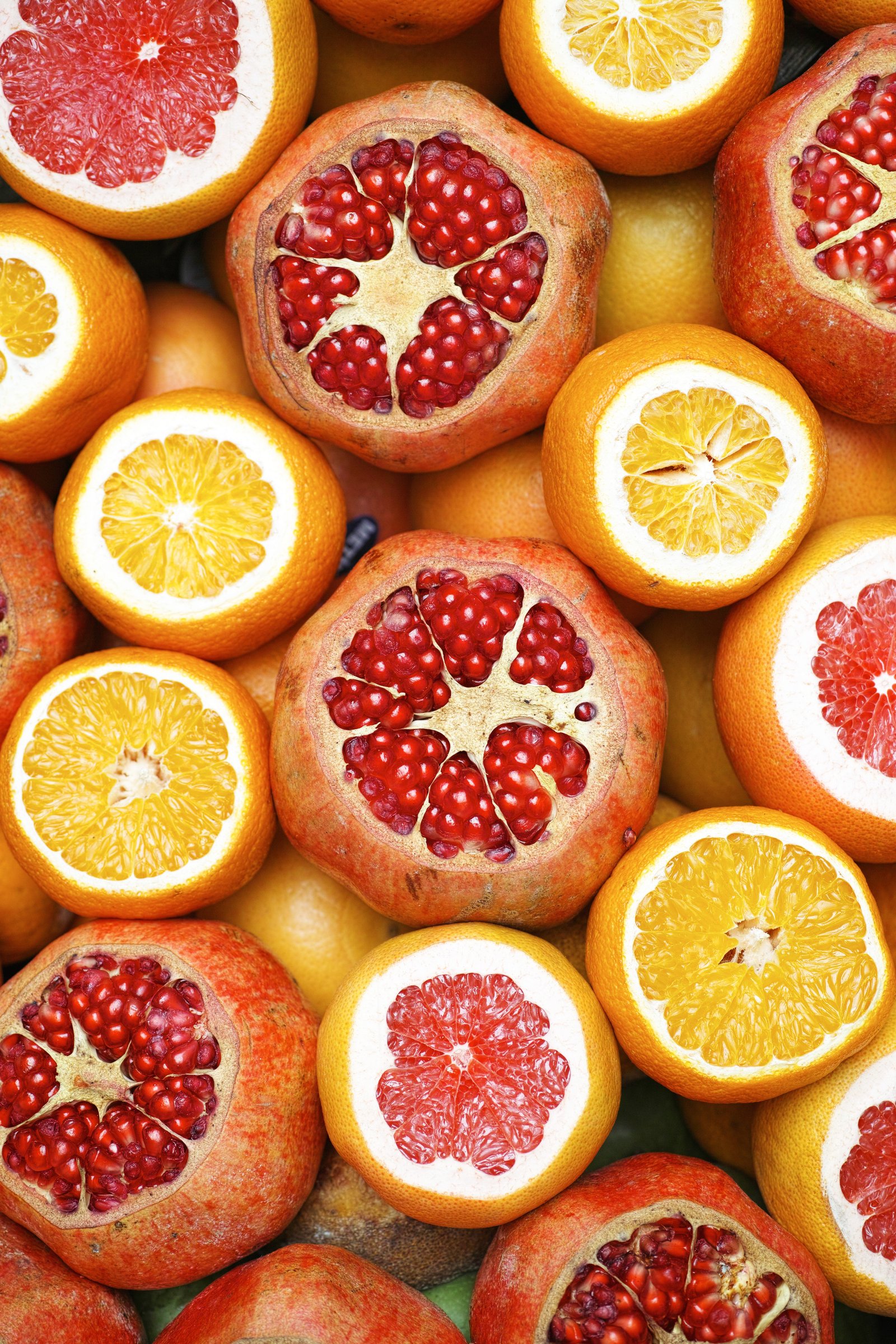
Introduction: When it comes to basking in the summer sun, nothing beats the refreshing taste of juicy and sweet melons. Not only are these fruits a delightful treat, but they also pack a nutritional punch, particularly when it comes to vitamin C. In this blog post, we will delve into the world of melons, exploring the various types and their incredible health benefits. So, grab a slice of melon and let's unravel the secrets of these amazing fruits! 1. The Importance of Vitamin C: Vitamin C, also known as ascorbic acid, is a vital nutrient required for a wide range of bodily functions. It is an essential vitamin that the body cannot produce on its own, making it crucial to obtain it from dietary sources. Vitamin C plays a significant role in supporting the immune system, promoting collagen production, and acting as a powerful antioxidant that protects against cell damage. 2. Vitamin C Content in Melons: Melons are a fantastic source of vitamin C and can help meet your recommended daily intake of this essential nutrient. While the exact vitamin C content may vary depending on the type of melon, here are some popular varieties and their approximate vitamin C content per 100 grams: a) Watermelon: Approximately 8.1 mg of vitamin C. b) Cantaloupe: About 36.7 mg of vitamin C. c) Honeydew Melon: Around 18.0 mg of vitamin C. 3. Health Benefits: Including melons in your diet can provide numerous health benefits. Let's take a look at some of the advantages of consuming these vitamin C-rich fruits: a) Boosts Immune Function: Vitamin C is well-known for its immune-boosting properties. By consuming melons, you can give your immune system a helping hand, protecting your body against common illnesses and infections. b) Enhances Collagen Production: Collagen is a protein that plays a crucial role in maintaining the health and elasticity of your skin, bones, and joints. Vitamin C-rich melons can aid in the production of collagen, promoting healthier skin and stronger bones. c) Antioxidant Protection: Melons contain a variety of antioxidants, including vitamin C, which help protect your body against harmful free radicals. These antioxidants can reduce inflammation, slow down the aging process, and lower the risk of chronic diseases. 4. Delicious Ways to Enjoy Melons: Aside from being a refreshingly sweet snack on their own, melons can be incorporated into a variety of delicious and nutritious dishes. Here are a few ideas to get you started: a) Melon Salad: Combine various melon varieties with fresh mint leaves, feta cheese, and a drizzle of honey or lime juice for a refreshing and tangy summer salad. b) Melon Smoothie: Blend diced melons with Greek yogurt, a splash of coconut water, and a handful of ice cubes for a revitalizing and nutritious smoothie. c) Grilled Melon Skewers: Cut melon into chunks, thread them onto skewers, and lightly grill for a few minutes. Pair them with a sprinkle of chili flakes for a delightful and unexpected twist. Conclusion: Melons are not only a thirst-quenching summer treat but also a great source of vitamin C. Incorporating these nutrient-rich fruits into your diet can help boost your immune system, enhance collagen production, and provide antioxidant protection. So, the next time you lay your eyes on a juicy melon, remember its incredible health benefits and savor every bite.
Leave a Comment:
SEARCH
Recent News
- Zurich, Switzerland is known for its multicultural atmosphere and diverse culinary scene. One of the lesser-known gems of Zurich's food scene is Sudanese cuisine. Sudanese cuisine is a reflection of the country's diverse cultural influences, blending Arabic, African, and Mediterranean flavors to create a unique and delicious culinary experience.
- Zurich, Switzerland: A Culinary Journey through Regional Cuisine
- Zurich, Switzerland is known for its stunning landscapes, rich history, and vibrant culture. However, another aspect of Zurich that shouldn't be overlooked is its diverse and delicious fast food scene. From traditional Swiss street food to international favorites, there is something to satisfy every craving in Zurich. Let's take a closer look at some of the popular fast food options you can find in this picturesque city.
- Zurich, Switzerland is known for its stunning natural beauty, vibrant arts scene, and strong economy. However, what many people may not know is that this dynamic city also offers a diverse culinary experience that includes delicacies from around the world. One such cuisine that has found a home in Zurich is Philippine cuisine.
- Zurich, Switzerland is known for its picturesque views, stunning architecture, and vibrant cultural scene. Located in the heart of Europe, Zurich offers a mix of traditional Swiss cuisine and international flavors. One particular cuisine that has been making waves in Zurich is Paraguayan cuisine.
- Zurich, Switzerland is a city known for its stunning views, picturesque streets, and vibrant culture. It is also a melting pot of diverse culinary influences, with a wide range of cuisines to choose from. One such cuisine that has made its mark in Zurich is Norwegian cuisine.
- Zurich, Switzerland, and Montreal, Canada, are two vibrant cities known for their distinct cultural characteristics. While Zurich is renowned for its picturesque landscapes, rich history, and high standard of living, Montreal is famous for its diverse population, vibrant arts scene, and mouth-watering cuisine. In this blog post, we will delve into the delectable culinary offerings of Montreal and explore how its unique food scene sets it apart from the culinary landscape of Zurich.
- Zurich, Switzerland is a vibrant city known for its stunning architecture, picturesque landscapes, and diverse culinary scene. While Swiss cuisine certainly holds a special place in the hearts of many locals and visitors, the city also boasts a variety of international dining options, including Latin American food.
READ MORE
9 months ago Category : cfruits

Zurich, Switzerland is known for its multicultural atmosphere and diverse culinary scene. One of the lesser-known gems of Zurich's food scene is Sudanese cuisine. Sudanese cuisine is a reflection of the country's diverse cultural influences, blending Arabic, African, and Mediterranean flavors to create a unique and delicious culinary experience.
Read More →9 months ago Category : cfruits

Zurich, Switzerland: A Culinary Journey through Regional Cuisine
Read More →9 months ago Category : cfruits

Zurich, Switzerland is known for its stunning landscapes, rich history, and vibrant culture. However, another aspect of Zurich that shouldn't be overlooked is its diverse and delicious fast food scene. From traditional Swiss street food to international favorites, there is something to satisfy every craving in Zurich. Let's take a closer look at some of the popular fast food options you can find in this picturesque city.
Read More →9 months ago Category : cfruits
