Debunking Common Misconceptions About Vitamin C in Fruits: Don't Fall for Social Media Misinformation
Category : cfruits | Sub Category : cfruits Posted on 2023-10-30 21:24:53
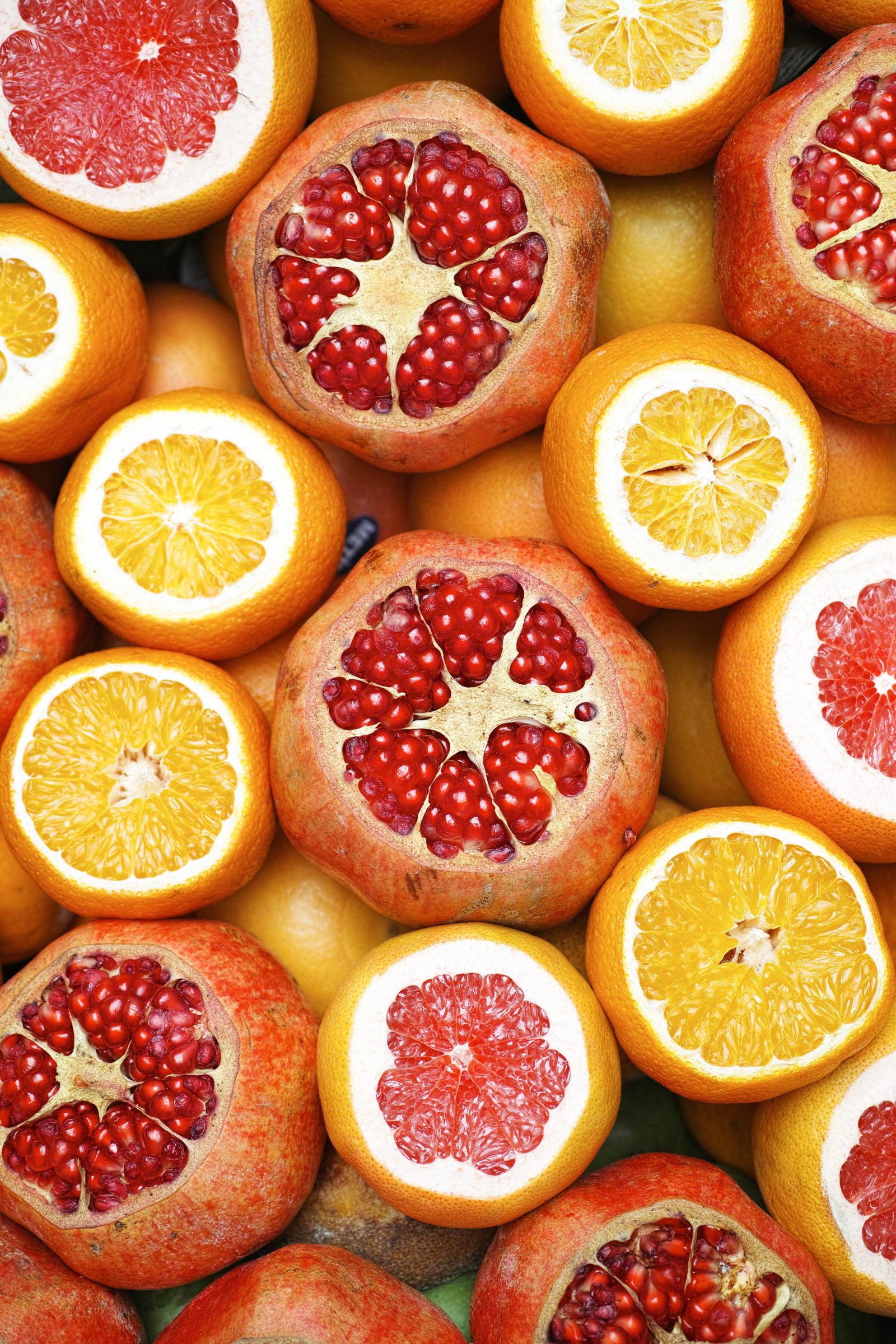
Introduction: In today's digital age, social media has become a powerful platform for sharing information about health and wellness. While it has its advantages in disseminating knowledge, it is not without its pitfalls. One area where misconceptions often abound is regarding vitamin C in fruits. In this blog post, we will tackle some common misunderstandings perpetuated through social media and provide accurate information about the sources and benefits of vitamin C in fruits. Myth 1: Oranges are the Only Fruit High in Vitamin C Contrary to popular belief, oranges aren't the only fruits packed with vitamin C. While they are indeed an excellent source, other fruits such as strawberries, kiwis, guavas, papayas, and even mangoes are also rich in this essential nutrient. A well-balanced diet that incorporates a variety of fruits can provide you with a sufficient intake of vitamin C. Myth 2: Supplements are Superior to Natural Sources Another misconception is the belief that taking vitamin C supplements is the most effective way to meet your daily requirements. While supplements can be beneficial in certain cases, natural sources should always be the first preference. Not only do fruits provide a spectrum of additional nutrients and antioxidants that work synergistically with vitamin C, but they also offer dietary fiber that is important for a healthy digestive system. Myth 3: Eating Excessive Amounts of Vitamin C Boosts Immunity Some social media posts claim that consuming excessively high amounts of vitamin C can supercharge your immune system. However, the truth is that our bodies have a limit to how much vitamin C they can absorb and utilize. Consuming more than the recommended daily intake will not inherently provide any additional immune-boosting benefits. It's essential to maintain a balanced approach and follow dietary guidelines to support overall immune health. Myth 4: All Fruits Lose Vitamin C During Cooking This misconception has led many to believe that cooking fruits results in a complete loss of their vitamin C content. While it's true that excessive heat can degrade some nutrients, including vitamin C, the actual loss can vary depending on the fruit and cooking method. Boiling fruits may indeed lead to some depletion of vitamin C, but steaming or microwaving them can help retain a more substantial portion. Additionally, consuming a mix of raw and cooked fruits can provide a broader range of nutrients. Conclusion: Social media is a platform that offers many benefits, but when it comes to disseminating health information, it's crucial to exercise critical thinking and fact-checking. Understanding the truth about vitamin C in fruitsknowing that there are various sources beyond oranges, that natural sources are better than supplements, that excessive intake doesn't boost immunity, and that cooking methods affect vitamin C differentlywill help you make informed decisions for your overall well-being. By debunking these common misconceptions, we can reaffirm the importance of a balanced diet that includes a diverse range of fruits to ensure a sufficient intake of vitamin C and other essential nutrients. Dropy by for a visit at http://www.semifake.com
Leave a Comment:
SEARCH
Recent News
- Zurich, Switzerland is known for its multicultural atmosphere and diverse culinary scene. One of the lesser-known gems of Zurich's food scene is Sudanese cuisine. Sudanese cuisine is a reflection of the country's diverse cultural influences, blending Arabic, African, and Mediterranean flavors to create a unique and delicious culinary experience.
- Zurich, Switzerland: A Culinary Journey through Regional Cuisine
- Zurich, Switzerland is known for its stunning landscapes, rich history, and vibrant culture. However, another aspect of Zurich that shouldn't be overlooked is its diverse and delicious fast food scene. From traditional Swiss street food to international favorites, there is something to satisfy every craving in Zurich. Let's take a closer look at some of the popular fast food options you can find in this picturesque city.
- Zurich, Switzerland is known for its stunning natural beauty, vibrant arts scene, and strong economy. However, what many people may not know is that this dynamic city also offers a diverse culinary experience that includes delicacies from around the world. One such cuisine that has found a home in Zurich is Philippine cuisine.
- Zurich, Switzerland is known for its picturesque views, stunning architecture, and vibrant cultural scene. Located in the heart of Europe, Zurich offers a mix of traditional Swiss cuisine and international flavors. One particular cuisine that has been making waves in Zurich is Paraguayan cuisine.
- Zurich, Switzerland is a city known for its stunning views, picturesque streets, and vibrant culture. It is also a melting pot of diverse culinary influences, with a wide range of cuisines to choose from. One such cuisine that has made its mark in Zurich is Norwegian cuisine.
- Zurich, Switzerland, and Montreal, Canada, are two vibrant cities known for their distinct cultural characteristics. While Zurich is renowned for its picturesque landscapes, rich history, and high standard of living, Montreal is famous for its diverse population, vibrant arts scene, and mouth-watering cuisine. In this blog post, we will delve into the delectable culinary offerings of Montreal and explore how its unique food scene sets it apart from the culinary landscape of Zurich.
- Zurich, Switzerland is a vibrant city known for its stunning architecture, picturesque landscapes, and diverse culinary scene. While Swiss cuisine certainly holds a special place in the hearts of many locals and visitors, the city also boasts a variety of international dining options, including Latin American food.
READ MORE
10 months ago Category : cfruits

Zurich, Switzerland is known for its multicultural atmosphere and diverse culinary scene. One of the lesser-known gems of Zurich's food scene is Sudanese cuisine. Sudanese cuisine is a reflection of the country's diverse cultural influences, blending Arabic, African, and Mediterranean flavors to create a unique and delicious culinary experience.
Read More →10 months ago Category : cfruits

Zurich, Switzerland: A Culinary Journey through Regional Cuisine
Read More →10 months ago Category : cfruits

Zurich, Switzerland is known for its stunning landscapes, rich history, and vibrant culture. However, another aspect of Zurich that shouldn't be overlooked is its diverse and delicious fast food scene. From traditional Swiss street food to international favorites, there is something to satisfy every craving in Zurich. Let's take a closer look at some of the popular fast food options you can find in this picturesque city.
Read More →10 months ago Category : cfruits
